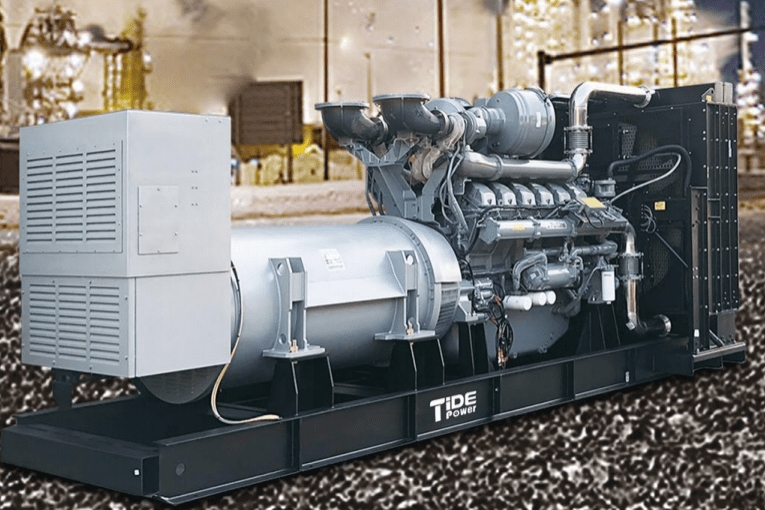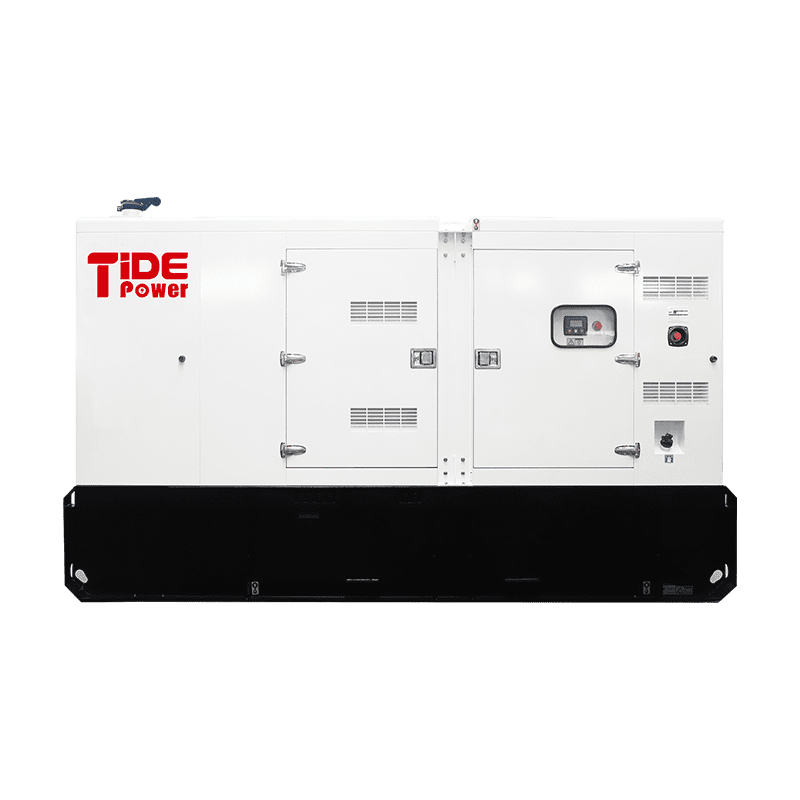
Diesel Generator vs Gas Generator: Choosing the Right Fuel
Most generator selection mistakes come from choosing the fuel before understanding the site. A diesel generator vs gas g……
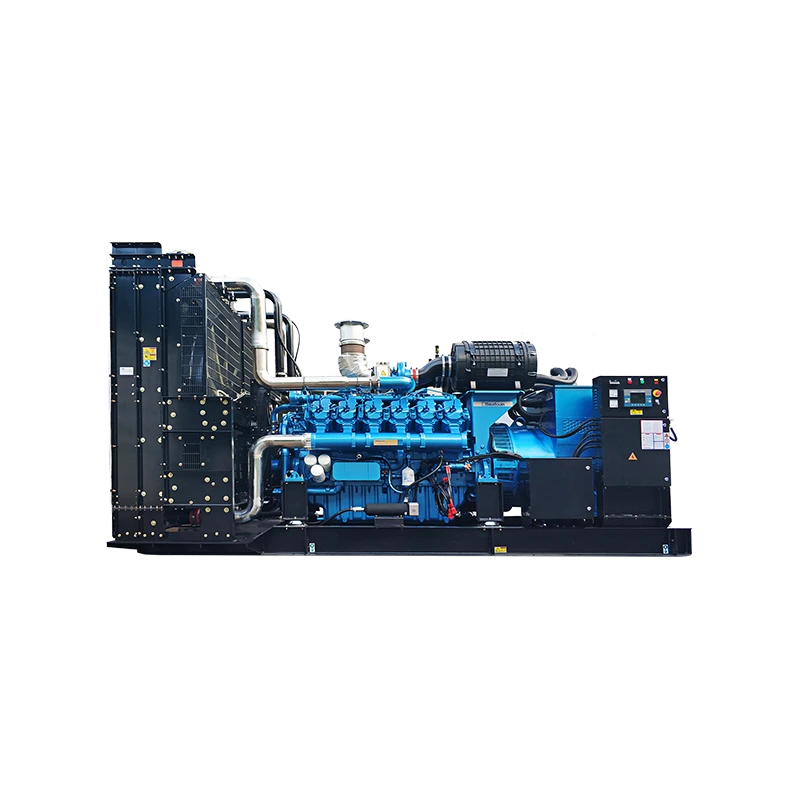
Most generator selection mistakes come from choosing the fuel before understanding the site. A diesel generator vs gas generator decision should follow the project’s actual conditions: what fuel is already available, how many hours the unit will run, what emissions constraints apply, and where the real lifecycle costs sit. In the projects I have reviewed across Asia, Africa, and Latin America, the better choice has never been universal. Diesel remains the strongest option where fuel delivery logistics are already in place and rapid response matters. Natural gas wins where continuous operation, lower emissions, and pipeline supply overlap.
Fuel Availability in the Diesel Generator vs Gas Generator Decision
Fuel availability is the first filter. If a natural gas pipeline or a reliable biogas supply sits inside the site boundary, or if the gas utility has given a committed connection date, a gas generator set becomes practical. If gas access is not ready, a diesel genset remains the default because liquid fuel can be delivered, stored, and replenished with standard logistics.
In one Southeast Asian textile plant review I supported, the team assumed natural gas was the obvious upgrade until we mapped the site’s gas access. The nearest pipeline was not inside the site boundary, and connection work would have delayed the project. The diesel genset specification stayed because delivered fuel logistics were already reliable. That decision was not about engine preference, it was about project sequence.
| Decision factor | Diesel generator set | Gas generator set |
|---|---|---|
| Fuel access | Works with delivered or stored diesel | Needs pipeline gas, compressed gas, or treated biogas |
| Best duty cycle | Standby, emergency, variable intermittent loads | Continuous prime power, baseload, cogeneration |
| Storage burden | On site tank and fuel management required | No liquid fuel storage where gas supply is stable |
| Emissions profile | Higher particulate and NOx management | Lower carbon emissions with suitable fuel |
| Startup response | Fast starting and widely understood | Stable continuous running once commissioned |
Run Time and Load Profile in Generator Fuel Selection
Run time matters more than many buyers expect. A diesel generator set starts quickly and handles intermittent emergency loads well. A gas generator set tends to make more sense when the site runs for thousands of hours per year at a stable load, especially where waste heat can be recovered for process use.
Tide Power gas generator sets cover 28 kVA to 4,500 kVA across Lister Petter and MWM platforms, which spans hospitals, data centers, wastewater plants, and industrial facilities. Diesel generator sets from the Fenova Plus, Hemera, and Econic ranges cover a similarly broad band for standby and prime power use.
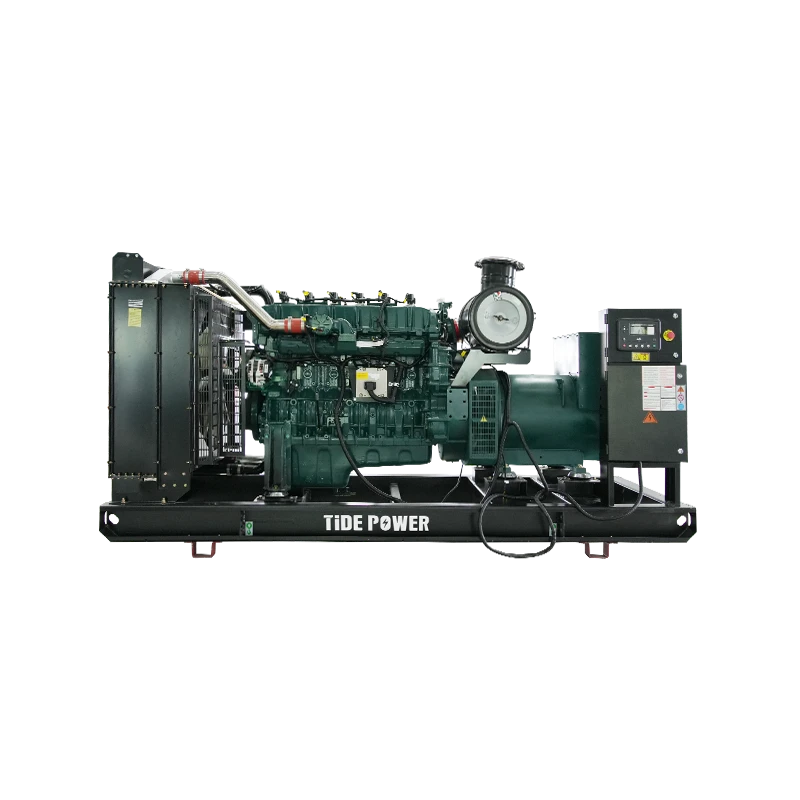
The load profile is the second part of the same check. A generator that starts only during grid failure can tolerate a different fuel equation than a generator that runs every day. If your project sits between diesel and gas, this is the point to confirm the load profile and fuel access before finalizing the specification. Send your expected runtime hours, load range, and site fuel availability to sales@tidepower.uk and we will confirm which generator set configuration fits.
Emissions Compliance and Permitting Constraints
Emissions rules often settle the argument before a purchase order is written. Natural gas burns cleaner than diesel in most regulated markets, which makes it attractive where local permits require low carbon emissions and continuous monitoring. A gas engine can still trigger its own approval work, including gas pressure, ventilation, and safety clearances.
Diesel generator sets remain permissible in most regions when paired with emissions controls and proper fuel handling. Many Tide Power diesel sets are CE and ISO compliant, and the gas generator sets follow ISO 9001, ISO 14001, ISO 45001, and CE requirements. The smarter approach is to present the same site plan, load profile, and emission targets to the permitting authority for both fuel options rather than assuming one path is automatically easier.
Lifecycle Cost in the Diesel Generator vs Gas Generator Comparison
Lifecycle cost is where the two options diverge beyond the fuel price per unit. A gas generator set can reduce operating cost in a market with cheap gas, but the initial capital cost of the gas connection, gas train, and commissioning can be higher if the site has no existing infrastructure. A diesel generator set usually has a lower first cost and simpler installation, but the long term cost includes fuel delivery, storage, tank maintenance, and fuel price movement.
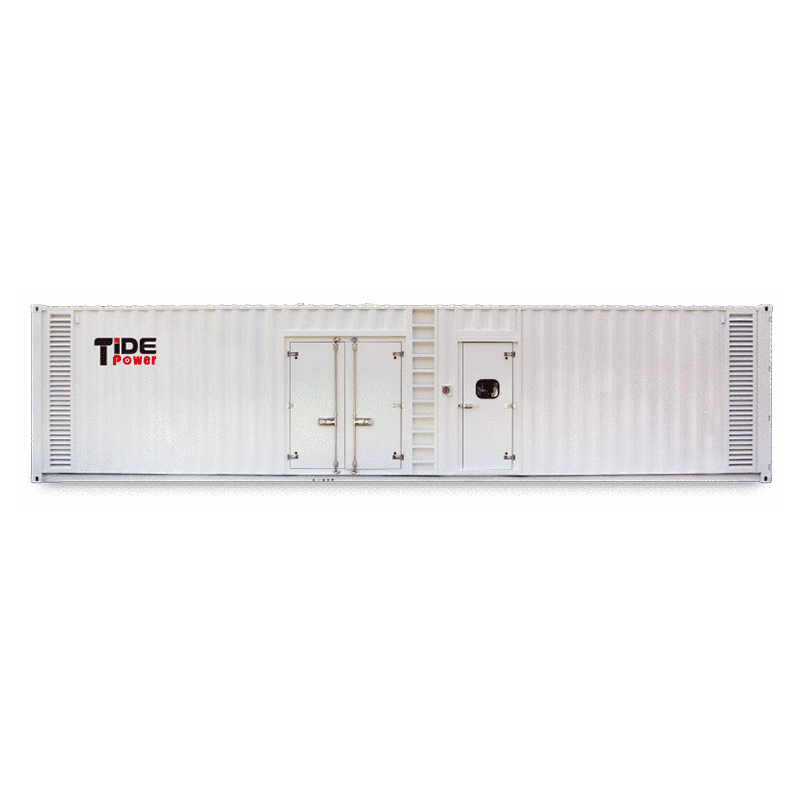
Product design also changes the calculation. The Econic Series diesel generator set includes a super large fuel tank for extended runtime, which reduces refueling frequency on temporary construction or telecom sites. That kind of feature can matter as much as the headline fuel price when the site is remote or unmanned.
Starting With a Site Specific Generator Recommendation
Most generator selection questions fail because they are asked before the site conditions are documented. Once fuel availability, runtime profile, emissions constraints, and lifecycle cost are mapped, the correct diesel or gas configuration becomes clear. If your team is comparing generator sets for a new facility or retrofit, document these four inputs and send them to Tide Power. We can review the load profile, confirm engine options from Cummins, Perkins, Lister Petter, MWM, Baudouin, or other supported platforms, and return a specific generator set proposal. Contact Michael Chen at sales@tidepower.uk or call +86 591 2806 8999.
Common Questions About Diesel and Gas Generator Selection
Do I choose a diesel generator vs gas generator based on fuel price alone?
No. Fuel price per liter or per cubic meter is only one part of the calculation. A cheap fuel source that requires expensive gas infrastructure or interrupts operation when supply pressure drops can cost more over five years than a slightly costlier fuel with simple logistics. The better method is to compare total lifecycle cost at the same runtime and load profile, then check which fuel supply is actually available, not which one looks better in a spreadsheet.
Can a gas generator set run on biogas instead of pipeline natural gas?
Many buyers assume gas generator sets are limited to pipeline natural gas, but units such as the Lister Petter gas generator set can run on natural gas, biogas, and other gaseous fuels. The key requirement is fuel quality and pre-treatment, because moisture, siloxanes, and inconsistent methane content will shorten engine life or increase maintenance. If the site has a wastewater plant, landfill, or agricultural waste stream, biogas can turn a waste handling cost into an on site power source.
Which option is easier to permit in a city center?
It depends on what the local authority treats as the larger risk. If liquid fuel storage is the concern, a gas generator set with low emissions may clear permitting faster. If gas pressure, ventilation, or conflict with residential safety zones is the concern, a diesel generator set with sound attenuation and proper tank bunding may be simpler. The project team should submit the same site plan, load profile, and emission targets to the permitting authority before finalizing the fuel choice.
What should I do if the site has no gas infrastructure?
In projects where no gas line reaches the site, I do not recommend waiting on a future grid connection unless the gas utility has given a written connection date that matches the project schedule. Diesel generator sets remain the practical choice because fuel can be delivered and stored on site, and the equipment is widely available across a broad power range. If your site has no gas infrastructure and you need a standby or prime power unit within a defined window, send the load profile and site location to sales@tidepower.uk and we will confirm a diesel generator set configuration with current lead times.
If you’re interested, check out these related articles:
Precautions for using winter generator sets
Tide Power – Celebrating Tradition, Powering Innovation