Gas Generator Sizing for Facilities: Load, Demand, and kW
Gas generator sizing succeeds when you stop comparing nameplate ratings and start with your facility’s measured load pro……
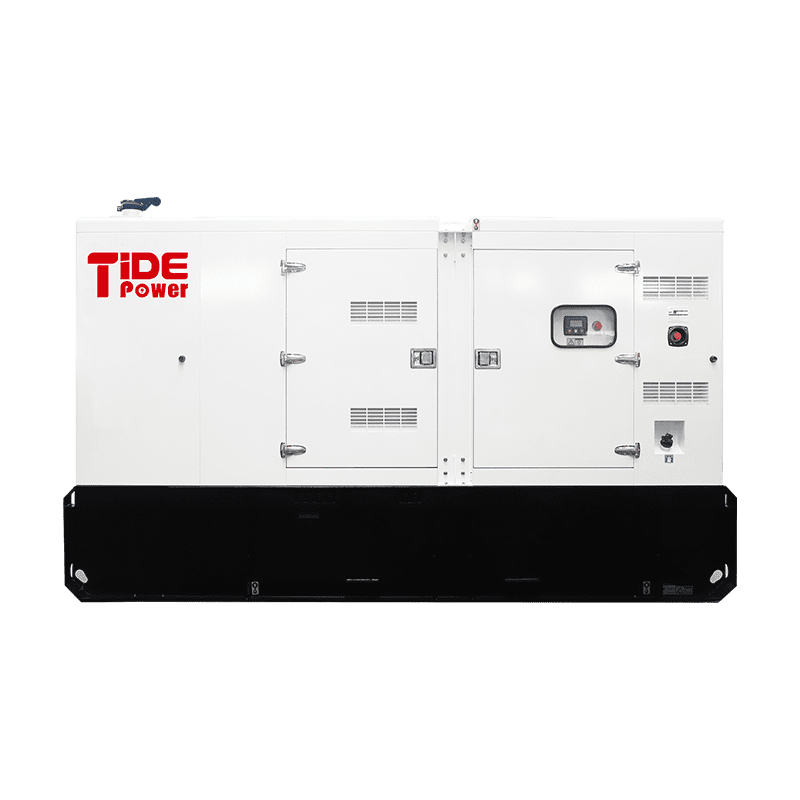
Gas generator sizing succeeds when you stop comparing nameplate ratings and start with your facility’s measured load profile, duty classification, and gas conditions. Most undersizing mistakes happen because a project team sizes against connected load or average demand instead of peak running load plus startup transients. From over a decade of positioning gas generator set programs, I have seen the same gap between a tidy specification sheet and a site that actually performs. This guide walks through load collection, margin selection, derating factors, and verification so your procurement decision is built on operating reality, not catalogue horsepower.
Facility Load Profile Comes First
A gas generator is not a variable speed drive and it is not a battery bank. It responds to load steps while running at nearly fixed speed, so sizing begins with how much power the facility asks for during the worst expected operating window. I do not start with the generator catalogue. I start with a measured or modelled 24 hour load curve, a list of large motor starts, and the sequence in which loads come online. That sequence matters more than the arithmetic total because startup current can be several times running current for compressors, pumps, and air handling equipment. If the site lacks metering, a temporary power logger is worth far more than a spreadsheet built only from equipment nameplates. That measured baseline keeps gas generator sizing grounded in site behavior instead of catalogue assumptions.
Gas Generator Sizing Starts With Peak and Running Demand
Peak demand and running demand are not the same number, and treating them as one is how facilities end up with a generator set that is either too small or unnecessarily large. Running demand is the load the facility holds after startup. Peak demand includes motor inrush, block loading after a transfer switch, and any process step that pulls power for a few seconds to a few minutes. A gas generator can absorb a short overload, but not forever. For sizing, record the highest running load and the largest simultaneous starting step separately, then add the starting load to the highest running load that occurs at the same moment. This sum becomes the provisional gas generator sizing target.
How Do Startup Loads Affect Gas Generator Sizing?
Startup loads set the minimum acceptable transient response. A large compressor or pump can draw locked rotor current several times its rated running current. If that load starts while other systems are already running, the generator set must cover both the base load and the inrush without excessive voltage drop or frequency dip. In our project reviews, we first identify the two or three largest motor starts and check whether they can be staged. When staging is not possible, the gas generator set rating rises even if the running load stays modest.
Sizing Margins Differ by Prime and Standby Duty
Standby and prime duty are different operating conditions, so the same margin applied to both creates a bad answer. A standby gas generator set typically runs only during outages and can be sized closer to the maximum load that would transfer, with a modest reserve. A prime or continuous set runs for long periods and needs enough headroom to avoid sustained overload, but too much headroom causes light load operation, which shortens engine life in many gas generator designs.
| Duty Type | Load Pattern | Practical Sizing Approach |
|---|---|---|
| Standby | Short outage backup periods | Cover maximum expected transferred load plus a small reserve |
| Prime | Regular onsite generation | Size to measured running load with staged starting and modest headroom |
| Continuous | Baseload operation | Match continuous rated output to fixed running load without light load operation |
| Mixed Site | Backup plus selected process loads | Separate the emergency block from the normal running block before selecting one or more sets |
This is where a single kilowatt figure falls apart. A facility may have a large emergency block but only a fraction of actual transferred load. Sizing the gas generator set to the switchboard rating instead of the transfer sequence would be a costly mistake. We see the same error in data centers, where the nameplate of every power supply gets added while real demand stays far lower. This distinction changes gas generator sizing more than most buyers expect.
If your site mixes standby and prime loads, the split determines whether one gas generator set is practical. Send the load list, transfer sequence, and operating hours to sales@tidepower.uk, and we can check the appropriate MWM or Lister Petter configuration before you commit to an equipment schedule.
Gas Pressure and Altitude Shift Gas Generator Sizing
Gas generator output depends on fuel gas quality, pressure, altitude, and ambient temperature. A set rated at a given output at sea level will produce less at higher elevations because air density falls and the engine receives less oxygen. The same logic applies to hot sites. I have reviewed projects where the generator was sized correctly on paper and then underperformed because the gas pressure at the engine inlet was too low at full load. Before final sizing, record the gas type, minimum supply pressure at the generator connection, altitude, and worst expected ambient temperature. The supplier then converts the commercial rating to site rating, and that converted value is the gas generator sizing figure worth comparing.
Why Do Altitude and Temperature Derate Gas Generator Output?
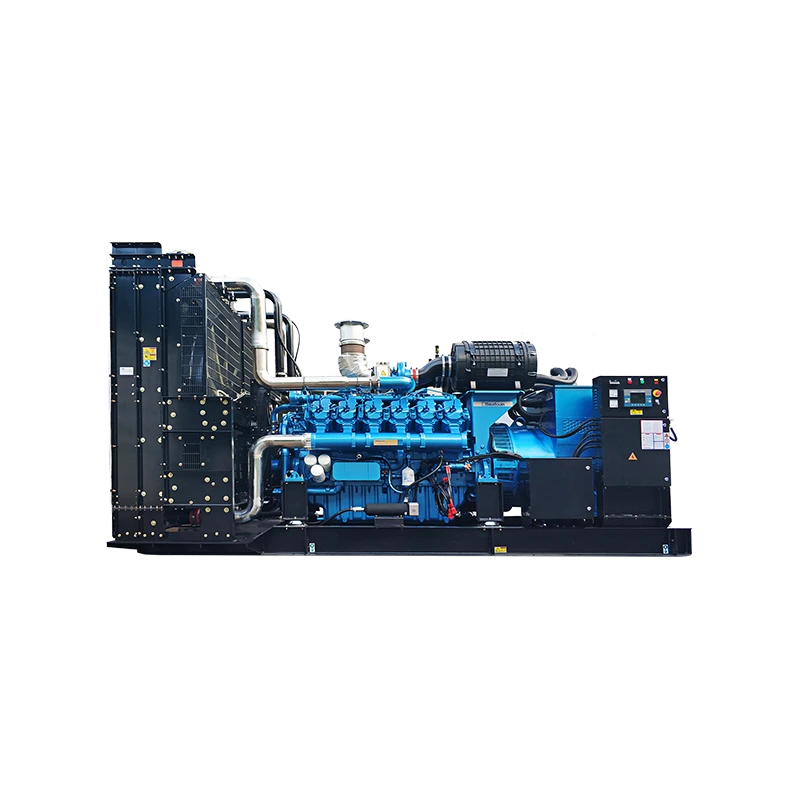
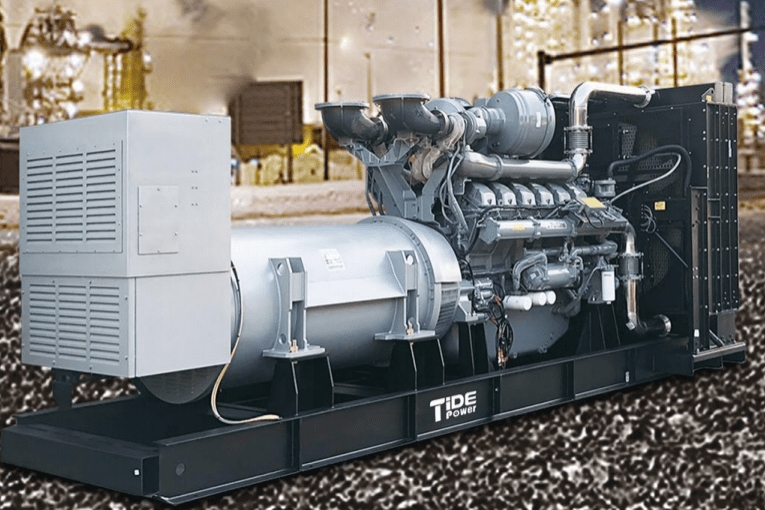
Gas engines depend on a specific air fuel ratio. At higher altitude, lower air density reduces mass airflow into the combustion chamber, so the engine cannot convert the same amount of fuel without exceeding thermal limits. High ambient temperature has a similar effect. The derating can be small or significant depending on elevation, engine aspiration, and charge air cooling. Tide Power’s MWM gas generator sets and Lister Petter Jupiter Series sets are selected against site conditions rather than a brochure figure, because the buyer should compare actual site rated power, not sea level nominal power.
Verification Confirms Gas Generator Sizing Before Procurement
After the load study and margin decision, two verification steps prevent most sizing failures. First, check the selected gas generator set against the site rated output at the actual altitude and temperature. Second, run a load step check for the largest motor start to see whether voltage and frequency remain within tolerance. These two checks matter more than the final kilowatt label. In smaller systems, a conservative reserve can mask a weak analysis. In larger systems, that same reserve adds cost and can create the underloading problem the project was trying to avoid. These two checks finish the gas generator sizing process.
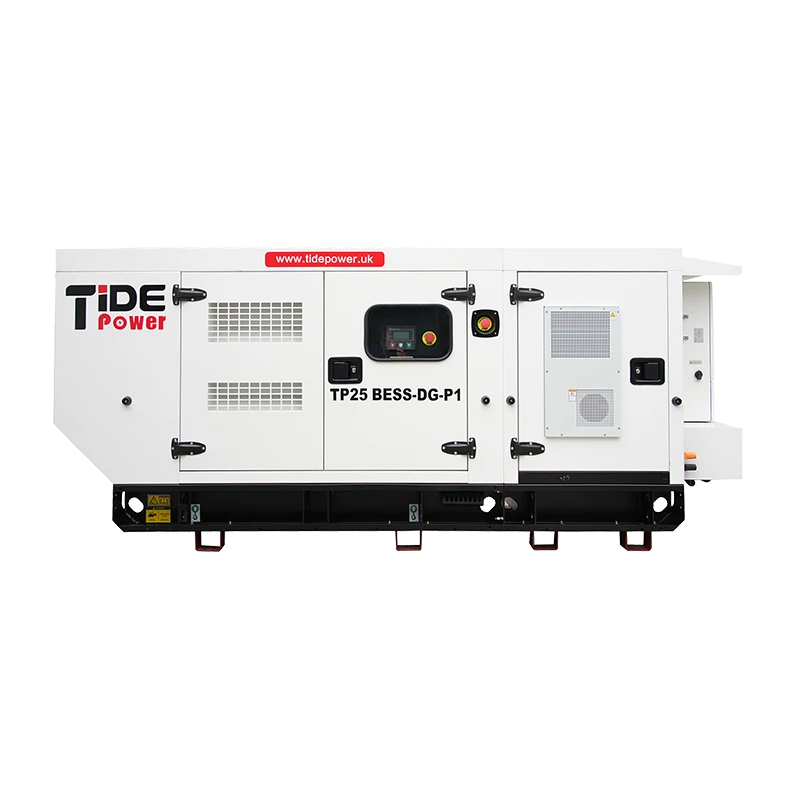
Tide Power’s technical team can cross-check model selection using the load list and gas conditions. If you are at the point where one calculation changes the engine frame size, send your load profile, expected starting sequence, and fuel gas pressure to sales@tidepower.uk or call +86 591 2806 8999. We will confirm the appropriate gas generator set and outline the physical footprint, gas connection, and delivery lead time.
Buyers Ask the Same Gas Generator Sizing Questions
What information do I need before sizing a gas generator?
The minimum set is peak running load, largest simultaneous motor start, duty class, fuel gas type and minimum supply pressure, site altitude, and worst ambient temperature. A measured load profile from a power logger is stronger than a nameplate total because it shows which loads overlap. If the facility has existing utility bills, they set a useful baseline for average demand but do not reveal the short duration jumps that drive gas generator sizing.
Is it safe to size a gas generator to total connected load?
No, that approach usually oversizes the unit and moves the engine into light load operation. Total connected load assumes every piece of equipment runs at the same time, which rarely happens. The better method is to separate running load from startup load, then assign a duty class. A standby set can be closer to transferred load, while a prime set should match measured running load with a modest reserve.
How much reserve margin should be included?
It depends on the duty. Standby applications need enough margin to absorb the maximum load that transfers during an outage. Prime and continuous applications should stay closer to running load, because sustained light load operation shortens engine life and raises maintenance cost. If the site has a single large motor, the starting requirement often sets the size above the running load anyway. We review the margin only after the load sequence is clear.
Can one gas generator handle multiple buildings or processes?
In many projects we have reviewed, yes, when loads can be staged and the peak demand is not simultaneous. The risk appears when two or more large motors start at the same moment. That inrush may force a much larger set than the running kilowatts suggest. Before accepting a single set solution, map the transfer sequence and the largest overlapping start. If the overlap cannot be controlled, split the load or use parallel sets. Share your load list and starting sequence with sales@tidepower.uk, and we will confirm whether one gas generator set or a staged configuration fits the site.
If you’re interested, check out these related articles:
Case Study: Scalable Generator Systems for Every Urban Power Challenge
Boosting Agricultural Efficiency with Tide Power Dewatering Pump
Summer Maintenance Guide for Gas Power Generators: Ensuring Peak Performance in Extreme Weather
Get ready to meet Tide Power’s latest product at POWERGEN 2025
Tide Power Launches B Series Dry Suction Sewage Pumps: No Priming, No Clogs, No Downtime