Towable Light Tower vs Trailer Mounted: Site Selection
Site managers usually treat a light tower as a light tower. The difference between a towable light tower and a trailer m……
Site managers usually treat a light tower as a light tower. The difference between a towable light tower and a trailer mounted unit shows up before the lamps switch on, in the hitch, the mast height, and how fast the unit can move across a job site. In our project work, I look at the access route before the lighting plan, because the chassis decides most of the rest. For most multi site fleets and construction laydown areas, a towable light tower is the more flexible first choice. A trailer mounted unit earns its cost when mast height, road stability, or longer towing spans dominate the specification.
The Difference in a Towable Light Tower Starts at the Chassis
The chassis is the decision most buyers skip. A towable light tower carries its mast, lamps, and power unit on a single frame with a ball or pintle hitch, so a standard pickup can move it without a separate trailer. A trailer mounted unit is built as a towable trailer first and carries a larger mast assembly on top. That sounds like a small difference, but it changes weight, turning radius, and the amount of ground preparation needed before the unit parks. I start every lighting recommendation by asking what vehicle will actually pull the unit. If the answer is a half ton pickup, the integrated chassis usually wins.
| Factor | Towable Light Tower | Trailer Mounted Unit |
|---|---|---|
| Chassis | Integrated single axle, lighter | Separate trailer frame, heavier |
| Tow vehicle | Pickup or site vehicle | Larger vehicle or dedicated trailer |
| Mast intent | Manual and hydraulic masts for compact sites | Taller or horizontal masts where stability matters |
| Move frequency | Fast repositioning between zones | Better suited to longer fixed deployments |
Mast Height and Coverage Change What a Unit Can Do
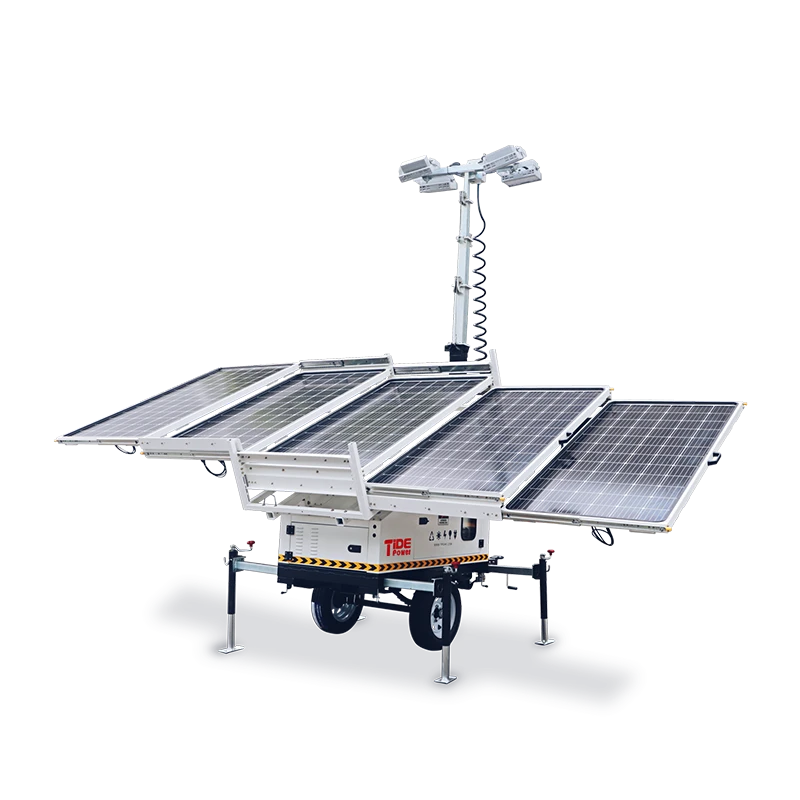
Mast height is where towable and trailer mounted units separate in coverage terms. Tide Power builds lighting tower options across manual mast, hydraulic, horizontal mast, solar, and solar hydraulic configurations. A manual or hydraulic mast suits most construction and road maintenance tasks, where the work area is close to the unit. A horizontal mast pushes the lamp head outward, which is useful on long trenches and wide laydown zones. The trailer mounted platform earns attention here because the heavier base and wider stance let the mast handle more wind load without losing stability. For a solar lighting tower, the mast choice also has to carry panel weight, so the chassis becomes part of the power calculation. Hybrid lighting packages can pair with a TP-25P class power station when diesel runtime is limited by noise or fuel access.
Where a Towable Light Tower Fits Site Logistics
Towable light towers fit the way construction sites actually move. Crews rarely need light in the same place every night. A unit that hooks to a site truck moves between the laydown area, the excavation face, and the access road without a dedicated transport step. The single frame also makes storage easier, because the unit stows close to the ground and does not need leveling jacks for short moves. In multi site rental fleets, this is often the unit we recommend first: it reduces the number of transport decisions and keeps the lighting schedule controlled by the site team rather than a driver.
If your project mixes paved access with unpaved laydown zones, it is worth confirming the hitch class and the mast wind rating before you lock the BOM. Send your terrain description and tow vehicle class to sales@tidepower.uk and we will confirm whether an integrated chassis or a trailer mounted package is the lower risk choice.
When a Trailer Mounted Unit Earns Its Higher Cost
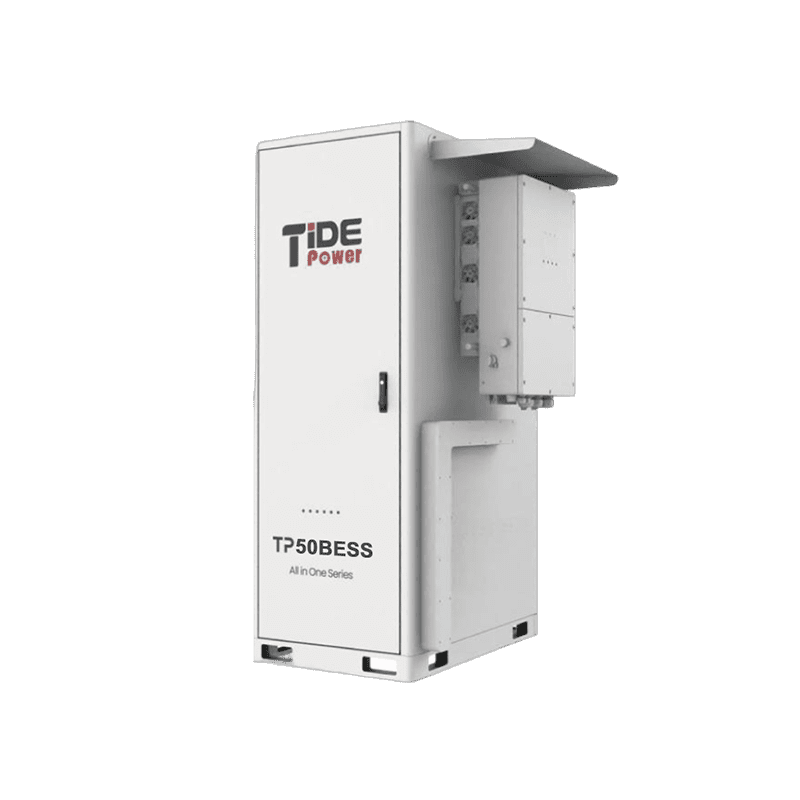
A trailer mounted unit costs more to move and store, so it should be selected when the site demands what the heavier chassis gives back: more mast, more weight capacity, and a more stable footprint for long term or road tow use. On highway projects where the unit travels between exits at speed, the separate trailer frame tracks better than a light integrated chassis. On mining or remote work where the unit stays in one position for weeks, the extra setup time matters less than wind performance. In solar hybrid configurations, a battery energy storage package such as the TP-50BESS keeps lamps running after solar input falls. We see buyers over-select this category when they equate larger equipment with better coverage. That is only true if the extra mast height or horizontal reach is actually required by the illuminated area.
What to Check Before You Choose
Before we quote a mobile light tower package, I ask for four things: the site access route, the tow vehicle class, the maximum illuminated area, and whether the unit needs to run through the night. Most procurement delays come from one missing item, not from a product gap. Tell us the ground condition first. Then we match the chassis, mast type, and energy source to the site instead of selling a brochure standard. Send your site sketch and required coverage area to sales@tidepower.uk or call +86 591 2806 8999. We will confirm which towable or trailer mounted configuration handles the access route and the lighting task without overbuilding the transport package.
Common Questions About Mobile Light Tower Selection
Which unit moves faster between work zones?
A towable light tower usually moves faster because the mast, lamps, and power unit sit on one integrated chassis. A site pickup or small truck can reposition it without detaching equipment or re-leveling the mast. A trailer mounted unit can be moved just as safely, but it takes more space to turn, more time to block, and a larger vehicle on soft ground. If the lighting plan changes every night, the integrated chassis saves the most labor.
Does a taller mast always mean more usable light?
A common mistake is to treat mast height as the primary coverage number. The lamp array, beam angle, and whether the mast is vertical or horizontal change the illuminated area at ground level more than raw height. A 6 m vertical mast can cover a compact excavation well. A horizontal mast on a trailer mounted unit reaches farther along a trench without needing a much taller tower. Height matters when obstacles block the beam, not as a standalone spec.
Can a solar lighting tower be trailer mounted?
Yes, and the decision depends more on energy storage and panel area than on the chassis. Solar hydraulic lighting towers use the trailer frame to carry both the mast system and the PV panels. The trade is weight and wind area, so the trailer base must be stable enough for the deployed panel field. If the site has good daytime solar access and low overnight lighting demand, the solar package can work well. If the site is shadowed or the load runs all night, a hybrid or diesel standby unit is easier to justify.
What should I send before pricing a mobile light tower?
In most bid requests we see, the missing information is not lamp count, it is access limitation. The supplier needs to know the ground condition, the available tow vehicle, the required illuminated area, and whether the unit moves between zones or stays put. That combination determines hitch class, mast type, and energy source. Share your site access and required coverage area and we will confirm which lighting tower configuration fits without overbuilding the transport package.
If you’re interested, check out these related articles:
Building the Resilient Grids of Tomorrow: Tide Power’s Microgrid and Utility-Scale Energy Storage Solutions
Tide Power Launches Revolutionary BESS & Hybrid Power Solutions
Ultimate Flexibility: Tide Power’s Foldable Container Delivers Portable Answers to Global Power Challenges
Tide Power 2024 Global Sales Meeting Successfully Held
Tide Power Featured on CCTV’s News Broadcast of the 135th Canton Fair